
When someone is recovering from a surgery, illness, or injury, they may not be ready to go straight home from the hospital. In these cases, a skilled nursing facility can be a helpful next step. These facilities provide professional medical care, rehabilitation services, and support with daily tasks like bathing, dressing, and eating.
One of the most common questions people have is, how long can you stay in a skilled nursing facility? The answer depends on a few important things, including your health, your recovery progress, and what your insurance will cover. In this blog, we’ll walk you through everything you need to know.
What Is a Skilled Nursing Facility?
A skilled nursing facility, or SNF, is a licensed healthcare setting that provides care for people who need more help than they can get at home, but who no longer need to stay in the hospital.
Skilled care includes:
- Help from nurses and doctors
- Physical therapy
- Occupational therapy
- Speech therapy
- Medication management
- Wound care
- IV therapy and more
Some people stay in a SNF for a short period to recover after a surgery or hospital stay. Others may stay longer if they have a chronic illness or permanent condition that requires full-time care.
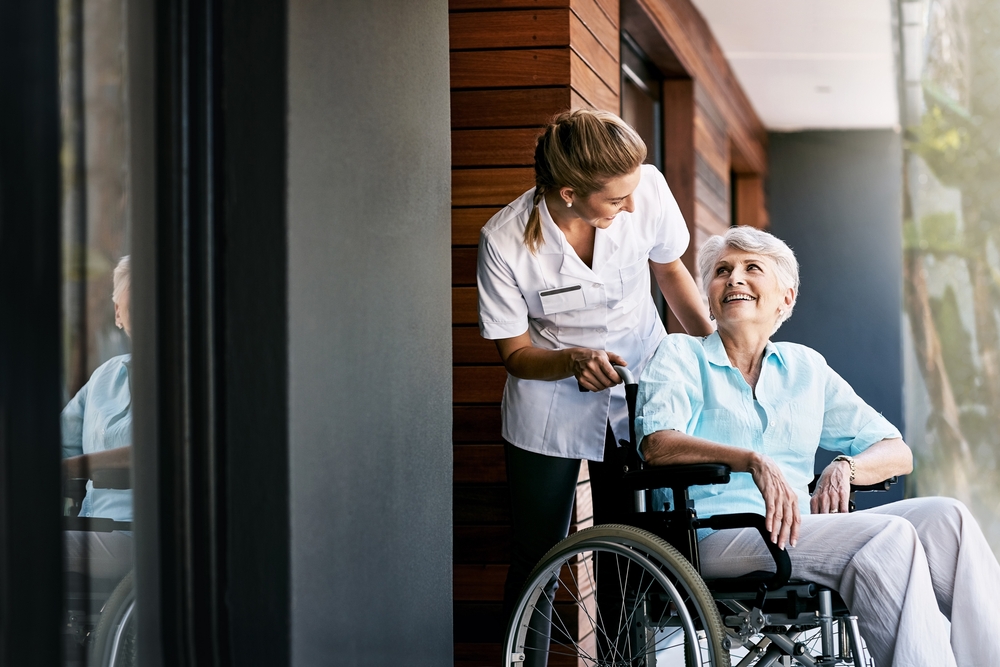
Short-Term vs Long-Term Stay
Short-Term Stay
Most people go to a skilled nursing facility for short-term care. This is common after:
- Hip or knee replacement surgery
- Stroke
- Injury or accident
- Serious illness that caused weakness or loss of function
The goal of short-term care is to help patients recover, regain strength, and return home. These stays often last from a few days to a few weeks, depending on how quickly the person improves.
Long-Term Stay
In some cases, a person may not recover enough to live safely at home. They may need care for:
- Dementia or Alzheimer’s disease
- Advanced heart or lung disease
- Permanent disability
- Serious chronic conditions
These stays can last months or even years. The care may shift from rehab and recovery to support and comfort. Families and doctors usually work together to decide what type of long-term plan is best.
How Long Can You Stay in a Skilled Nursing Facility?
There is no single time limit that applies to everyone. The length of stay depends on three main things:
1. Medical Needs
As long as someone needs skilled care, they can usually stay in the facility. But once their condition improves, or if they no longer need daily therapy or nursing care, the stay may come to an end.
The care team will check the patient’s condition regularly. If the person stops making progress, or no longer needs rehab or nursing care, the facility may begin discharge planning.
2. Insurance Coverage
Insurance is often the biggest factor in how long someone can stay. The most common types of coverage include Medicare, Medicaid, and private insurance.
Medicare
Medicare Part A covers skilled nursing care for up to 100 days per benefit period, but there are some rules –
- The person must have had a hospital stay of at least 3 days
- They must enter the skilled nursing facility within 30 days of leaving the hospital
- A doctor must say skilled care is needed
Here’s how the coverage breaks down:
- Days 1 to 20: Medicare covers everything
- Days 21 to 100: The patient pays a daily fee (over $200 in most years)
- After day 100: Medicare no longer covers the cost
Medicare will start a new benefit period after the person has been out of the hospital or SNF for 60 days in a row.
Medicaid
Medicaid may cover longer stays for people with limited income or assets. Each state runs its own Medicaid program, so the rules vary. In general, Medicaid can cover long-term care if a doctor says it is medically necessary.
Private Insurance
Some private insurance plans cover short-term rehab in a skilled nursing facility. Coverage details differ depending on the plan. It is important to call the insurance company to ask what is covered and for how long.

What Happens When Insurance Coverage Runs Out?
If insurance stops paying and the person still needs care, the family has a few choices:
- Pay out of pocket: This can be expensive, but it is possible to continue care by paying privately.
- Apply for Medicaid: If the patient qualifies, Medicaid can help cover the cost.
- Move to assisted living: This option works for people who need less medical care but still need help with daily activities.
- Set up home care: A caregiver or nurse can come to the home to help, which may be more affordable for some families.
The care team at the facility will help explore these options and guide the family through the next steps.
How the Facility Decides When It’s Time to Leave
The care team at a skilled nursing facility includes nurses, therapists, and doctors. They review each patient’s progress regularly and decide if skilled care is still needed.
If the patient is getting better and is able to take care of themselves, they may be discharged to go home. If they stop making progress or no longer meet the requirements for skilled care, the facility may suggest moving to a different level of care.
Families can take part in care plan meetings to stay informed and help make decisions.
What Families Can Do
Here are a few tips to help you prepare and plan during a skilled nursing stay:
- Ask questions early: Don’t wait until the last week of coverage. Ask about expected discharge dates and the patient’s progress often.
- Talk with the social worker or care manager: They can explain insurance, help with paperwork, and guide you toward other care options.
- Plan for next steps: If it looks like the stay will be short, start planning for home care or equipment needs early. If the stay will be long, look into financial options and Medicaid applications.
- Keep all paperwork and insurance letters organized: This will help you avoid surprises and stay on top of your options.
Conclusion
There is no one-size-fits-all answer to how long someone can stay in a skilled nursing facility. Some people recover in a matter of days. Others need weeks or months of care. A few may need long-term support for chronic or serious health conditions.
The most important things to keep in mind are:
- The stay depends on the person’s medical condition and progress
- Insurance coverage plays a major role
- There are options for continuing care if needed
By staying informed and asking the right questions, you can help ensure your loved one gets the care they need for as long as they need it.
If you’re not sure what to do next, talk to the care team at the facility. They can help guide you through the process and make sure you’re ready for what comes next.

Need Skilled Nursing Care Near Bossier City?
If you or a loved one is recovering from surgery, illness, or injury and needs professional, around-the-clock care, Adira Medical Resort is here to help. We offer skilled nursing services in a calm, supportive setting to help you heal safely and comfortably.